Review: Christmas Tree Winter One Line Art for Stitchers
As a designer who spends more time staring at stitch simulations than actual holiday decorations, I am always skeptical of "one line" trends. Often, they look chic on a screen but turn into a tangled mess of thread breaks and bird nests once the needle hits the fabric. However, after spending some time evaluating the Christmas Tree Winter One Line Art, I found myself reconsidering my stance on minimalist holiday motifs. This isn't just a pretty graphic; it is a potential workhorse for specific types of custom apparel and boutique goods, provided you approach it with the right technical mindset.
The Aesthetic: Minimalism Meets Holiday Warmth
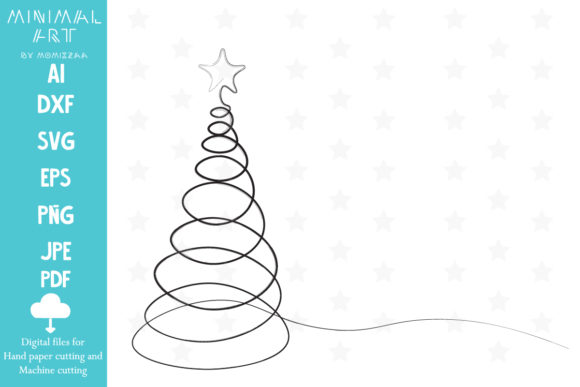
The first thing that strikes you about this design is its confidence. In a season usually defined by dense fill stitches, heavy satin borders, and complex shading, a single continuous line feels surprisingly bold. The mood is calm, modern, and slightly nostalgic without being kitschy. Visually, it mimics the look of a hand-drawn sketch or a wire sculpture, which gives it a sophisticated edge that appeals to a younger demographic or customers looking for understated holiday decor.
For an Etsy seller or small shop owner, this visual personality is gold. It fits perfectly into the current trend of "quiet luxury" in handmade goods. Unlike traditional holiday embroidery that screams for attention, this design whispers. It suggests that the finished product is thoughtful and curated rather than mass-produced. When I imagine this stitched onto a cream-colored linen tote or a heather grey sweatshirt, it elevates the item from a simple craft project to a legitimate boutique product.
Real-World Application: The Sweatshirt Scenario
To truly test the viability of this asset, I mentally ran through a common real-life scenario: preparing a custom order for a client who wants matching family sweatshirt embroidery for Christmas morning photos. The client wants something cohesive but not identical, and they definitely do not want the stiff, cardboard-like feel of a large, dense chest logo.
This is where Christmas Tree Winter One Line Art shines. Because the design relies on a singular path, the resulting stitch-out (assuming proper digitizing for embroidery) would likely utilize a running stitch or a very narrow satin column. This means the hand of the fabric remains soft. There is no heavy backing required to support a massive fill area. On a fleece or French terry cloth, this design would sit comfortably against the skin, avoiding that dreaded itchiness associated with heavy holiday sweaters.
Beyond apparel, consider the versatility for home goods. A set of kitchen tea towels featuring this tree in sage green thread creates an instant, cohesive holiday set. For a personalized gift, adding a name in a complementary script font below the tree transforms a generic graphic into a cherished keepsake. The simplicity of the line art ensures that even when scaled down for a tote bag design pocket or a cuff, the shape remains recognizable.
Technical Considerations and Fabric Challenges
While the aesthetic is strong, we must talk about the mechanics. As a reviewer, I have to point out that "one line" graphics often come as vector files like SVG, DXF, or EPS. The product description notes formats including AI, EPS, SVG, DXF, PDF, JPG, and PNG. It is crucial to understand that these are primarily Print Templates and Graphics. If you are a machine embroiderer, you cannot simply load an SVG into your hoop unless your machine specifically supports direct vector stitching, which is rare. You will likely need to use software to convert this graphic into a proper machine embroidery design or purchase a pre-digitized version if available.
Assuming you have a valid embroidery file derived from this art, fabric choice becomes critical. On textured fabrics like waffle knit or heavy canvas, a single thin line can get lost or appear jagged. The needle might skip over the peaks of the texture, breaking the visual continuity of the line. For best results, stick to smooth, stable fabrics like cotton poplin, polished cotton, or tight-knit jersey.
Furthermore, be cautious with stretchy fabrics. A long, continuous run of stitching can act like a perforation line, potentially causing the fabric to tear under tension or distort during washing. Using a high-quality cut-away stabilizer is non-negotiable here, even if the design feels light. You need to lock those stitches in place to maintain the integrity of the line.
Navigating Dark Fabrics and Contrast
One of the trickiest aspects of line art is contrast. On a white background, black thread pops beautifully. But what about a navy blue hoodie? If you use a standard red or green, the line might vibrate visually or disappear entirely depending on the lighting. Before committing to a production run, I strongly advise testing the design in black and white mockups. Check how the line weight holds up against different backgrounds. Sometimes, using a metallic thread or a slightly thicker stitch definition can save the design from getting lost on dark garments.
Business Value and Customer Perception
From a business perspective, incorporating Christmas Tree Winter One Line Art into your catalog can streamline your production time. Simpler designs generally mean fewer thread changes and shorter run times, allowing you to fulfill orders faster during the chaotic holiday rush. This efficiency directly impacts your bottom line.
Moreover, the clean look fosters brand consistency. If your shop specializes in modern, minimalist goods, this design reinforces that identity. Customers begin to associate your brand with quality and taste, not just holiday novelty. It builds trust. When a customer receives a package with a cleanly stitched, elegant tree on a high-quality pillow cover, they perceive higher value than if the item were covered in bulky, multicolored threads.
Final Designer Notes and Recommendations
Before you list this as a small shop product or use it for client work, take these practical steps:
- Verify Licensing: Since this asset is listed under Print Templates and Graphics, double-check the license terms. Ensure you are allowed to use the digitized version for commercial commercial embroidery projects if you are converting it yourself.
- Test on Scraps: Never stitch a new design directly on the final garment. Test on scrap fabric of the same weight and texture to check for puckering.
- Check Hoop Size: While likely small, confirm the dimensions fit your intended hoop, especially if placing it on curved surfaces like caps.
- Thread Selection: Experiment with matte versus rayon threads. A matte polyester might blend better with the "sketchy" vibe of the line art than a high-sheen rayon.
- Density Check: If digitizing this yourself, avoid making the line too thin. A single run stitch might be too fragile; consider a very narrow satin stitch or a triple run for durability, especially on items that will be washed frequently.
In conclusion, Christmas Tree Winter One Line Art is a versatile and stylish option for the modern maker. It bridges the gap between digital graphic trends and tactile handmade goods. With careful attention to fabric selection, stabilization, and licensing, it can become a staple in your holiday collection, offering a fresh alternative to the usual festive fare. It proves that sometimes, less really is more—both in design and in stitching strategy.