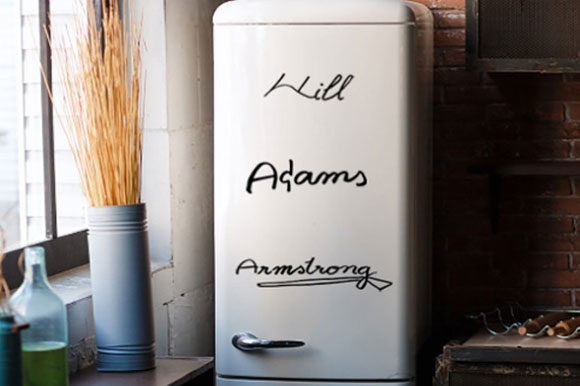
Adams Surname Graphics for Crafts and Branding
As a brand designer who spends most of my week auditing visual assets for small business clients, I approach every new graphic design asset with a critical eye. It is not just about whether an image looks pretty; it is about whether it can carry the weight of a brand identity, survive the compression of social media algorithms, and resonate with a specific target audience. Recently, I had the opportunity to review the Adams English Surname Digital Prints for a client project involving a heritage-focused lifestyle brand. This review breaks down how this specific asset performs in real-world marketing scenarios, from packaging design to digital ad campaigns.
First Impressions and Emotional Tone
Upon opening the files, the immediate impression is one of classic stability mixed with personal pride. The design carries a traditional aesthetic that speaks directly to lineage and family history. For a brand looking to establish audience trust through heritage or community values, this mood is invaluable. It does not scream "trendy"; instead, it whispers "established." This makes it highly suitable for casual branding, handmade products, and lifestyle content where authenticity is the primary selling point. However, for ultra-modern tech startups or minimalist luxury brands, the traditional feel might require significant adaptation to fit the visual language.
The emotional tone here is warm and inviting. It suggests a story waiting to be told, which is a powerful hook in content marketing. When used correctly, it transforms a generic product into something personal. For instance, if you are launching a seasonal offer for custom merchandise, this asset provides an instant connection point for customers who share the surname or appreciate the history behind it.
Integrating into a Real Marketing Campaign
To test the versatility of the Adams English Surname Digital Prints, I simulated a product launch for a small business specializing in personalized home goods. The goal was to create a cohesive look across Instagram posts, Pinterest pins, and email banners without the brand looking messy or unprofessional.
The asset shines brightest in social media graphics and packaging design. Because the files are available in high-resolution formats like AI, EPS, PDF, PNG, and SVG, the workflow was seamless. I imported the SVG version directly into a vector editor to adjust the stroke weight for a large format poster, then exported a PNG for web use. The 2000 x 1000 pixel dimensions provided ample resolution for retina displays, ensuring that the visual hierarchy remained crisp on both desktop and mobile screens.
In this hypothetical campaign, we used the design as a central hero graphic for a "Family Heritage" collection. It worked exceptionally well on product labels and stickers, adding a layer of perceived value to simple items like magnets or T-shirts. The ability to scale the vector files meant we could apply the same design to a massive trade show banner and a tiny favicon without losing quality, a crucial factor for maintaining professional branding across touchpoints.
Strategic Applications for Brand Owners
For brand owners and content creators, the utility of this digital product extends far beyond simple decoration. Here is how it can be leveraged across different channels:
- Brand Identity: Use elements of the surname print to create a sub-mark or secondary logo that reinforces family values.
- Packaging Design: Incorporate the graphic onto box seals or thank-you cards to enhance the unboxing experience.
- Social Media Covers: The wide aspect ratio fits perfectly for Facebook covers, YouTube banners, and LinkedIn headers.
- Editorial Design: Utilize the clip art elements to break up text in blog posts or digital magazines, adding visual interest to long-form content.
- Merchandise: As noted in the product details, it is ideal for physical goods like stickers, T-shirts, and magnets, allowing for immediate monetization.
- Digital Ads: The clear lines and strong contrast make it legible even in small sidebar advertisements.
Supporting Marketing Goals and Audience Perception
The primary marketing goal of using a surname-specific asset is to foster a stronger emotional connection. When a customer sees their name or a name they recognize presented with dignity and style, it triggers a sense of belonging. This leads to better engagement rates and more memorable campaign visuals. In a crowded creative marketplace, specificity is a superpower. While generic stock photos blend together, a tailored surname graphic stands out, improving product presentation and strengthening recognition.
Furthermore, consistent use of such a distinct illustration aids in building a recognizable brand voice. If a small business consistently uses this style across their Canva template kits and lead magnets, they begin to own that visual niche. It signals to the audience that the brand pays attention to detail and cares about personalization, which are key drivers for small business branding success.
Where to Exercise Caution
Despite its strengths, the Adams English Surname Digital Prints are not a one-size-fits-all solution. There are specific contexts where this asset should be used carefully. In formal corporate branding for industries like finance or law, the decorative nature might appear too informal unless heavily stylized. Similarly, in dense information layouts or text-heavy ads, the intricate details of the surname design could compete with the main message, causing visual clutter.
On small mobile graphics, such as Instagram story stickers or app icons, the fine lines might disappear if not simplified. It is also essential to check contrast ratios; placing a light-colored version of the print on a low-contrast background can render it invisible. For overly minimal brands that rely on vast negative space, this asset might feel too busy unless used as a subtle watermark or texture rather than a focal point.
Practical Notes for Designers and Marketers
Before integrating this design bundle into a paid campaign or client work, there are several practical steps I recommend taking. First, test the asset against your specific brand color palette. While the default black or white versions are versatile, tinting the vector to match your brand colors can create a more cohesive look. Second, always preview your designs on actual mobile screens. What looks balanced on a 27-inch monitor often feels cramped on a smartphone.
Typography pairing is another critical consideration. This type of heritage design pairs beautifully with serif fonts that echo tradition, but it can also create an interesting tension when paired with bold sans serif or modern script fonts. Experiment with spacing and balance to ensure the text does not overwhelm the graphic. Finally, and most importantly, confirm the commercial license terms. Ensure that your intended use—whether for a printable design sold on Etsy or a web design element for a corporate site—is covered under the agreement.
In conclusion, the Adams English Surname Digital Prints represent a robust tool for anyone looking to inject personality and heritage into their visual strategy. Whether you are a digital seller creating new products or a marketer refreshing a social media presence, this asset offers the flexibility and quality needed for modern design challenges. By understanding its strengths in storytelling and its limitations in complex layouts, you can leverage it to create compelling, trustworthy, and visually stunning brand experiences.